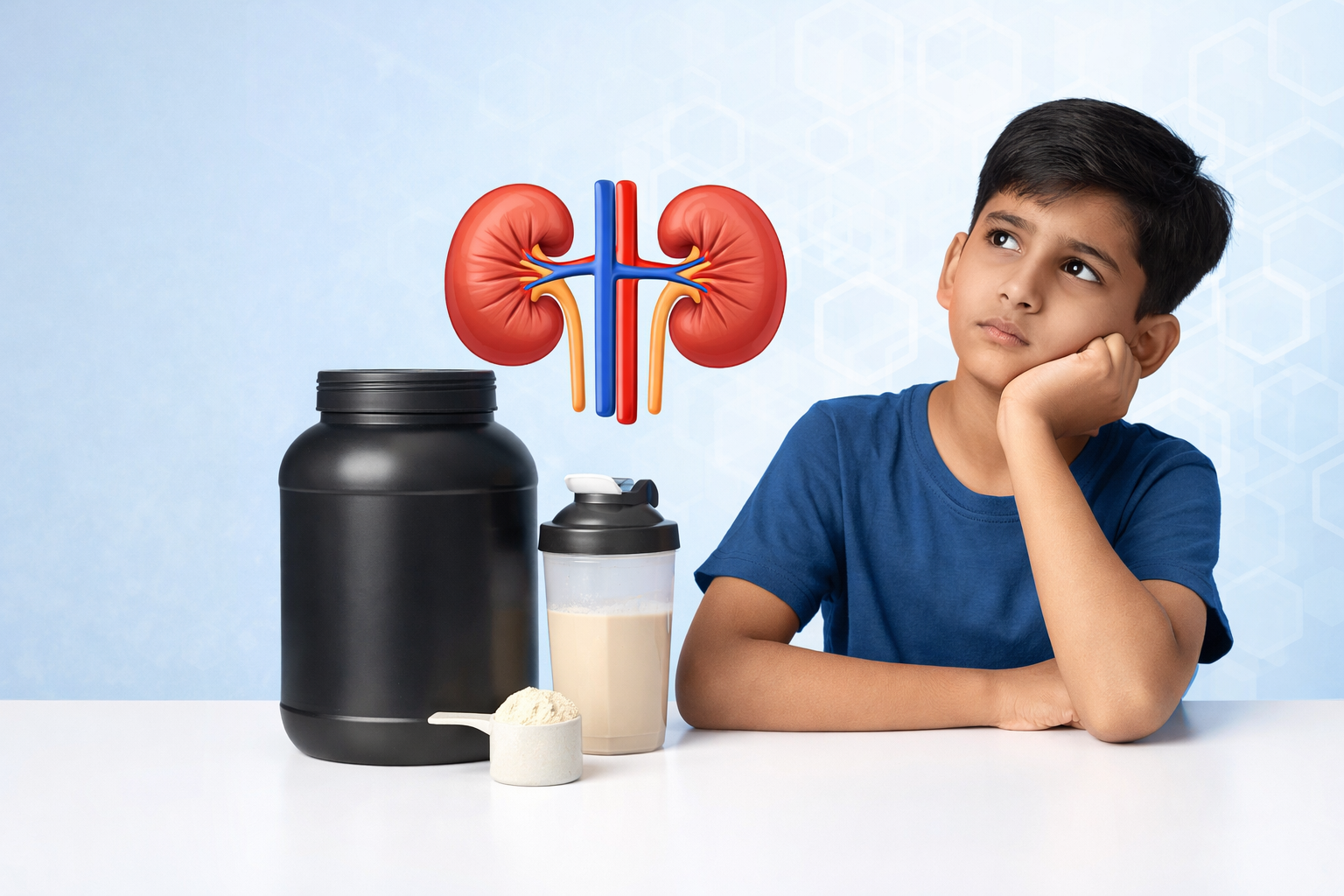
Protein supplements have taken over the modern day fitness trend, and parents are wondering if they are harmful to their child’s long-term kidney health (especially for children). Protein is the main “building block” of life and plays an important role in muscle growth, tissue repair and immune system operation. However, protein consumption does not always equal muscle building—more protein may not necessarily mean more muscles. As a lot more children are involved in competitive sports, parents are turning to Child Kidney Specialists in Surat for advice on protein supplementation.
Table of Contents
- How the Kidneys Process Protein
- The Risk of Protein Overload in Children
- Whey Protein vs. Natural Sources
- When to Consult a Specialist
- Conclusion
- Frequently Asked Questions (FAQ)
How the Kidneys Process Protein
Before considering how protein supplements affect the body, we must understand the functions of the kidneys. When your child ingests a protein, the body processes this food and breaks it down into amino acids. As amino acids are formed and processed, urea and nitrogen are produced, which must be filtered by the kidney to be eliminated through urine.
When a child consumes a diet high in protein, this results in the kidneys working harder than they normally do. Hyperfiltration is the result of excessive kidney workload. A mature, healthy adult kidney will generally be able to transition to hyperfiltration without any negative effects in terms of functionality. However, a child’s kidneys are still developing. The additional stress on a child’s developing kidneys may cause (in some cases) to develop problems. Therefore, when providing recommendations to the parent of an active child, a Child Kidney Doctor in Surat typically recommends moderation instead of following “muscle building” trends.
The Risk of Protein Overload in Children
Children’s dietary needs are different to those of adults, especially when it comes to proteins; their needs will vary as they grow and gain weight, as well as how active they are. Increased consumption of protein, either through shakes or powders may also have adverse effects.
- Dehydration: With an increase in protein, urea production increases and so does the need for more water in order to remove the excess urea from the body.
- Kidney Stones: An increased amount of protein in a child’s diet may result in an increase in excretion of calcium and uric acid from the body via the urine and result in painful kidney stones.
- Nutritional Imbalance: Children that do not eat whole foods and depend on protein supplements will often experience fundamental deficiencies of dietary fibre and other micronutrients that whole foods provide.
If you observe your child has frequent urination, foamy urine, or is fatigued, you should seek assistance from a Child Kidney Doctor in Surat . A Child Kidney Specialist can run simple urine and blood tests to determine how well the kidneys are managing their diet.
Whey Protein vs. Natural Sources
Not All Proteins are Equal. Commercial powders made from whey protein may include added sugars, artificial flavours and hidden heavy metals. Natural sources of protein for children include lentils, beans, eggs and lean meat.
Generally, a Paediatric Nephrologist in Surat will not recommend protein supplements for children except in cases of clear medical necessity, such as growth or absorption deficiencies. Even with a clear medical reason for taking protein supplements, the physician must monitor the dosage carefully in order to prevent “proteinuria”, or excess protein in the urine, which indicates stress on the kidneys.
When to Consult a Specialist
As a parent, you may feel overwhelmed with conflicting advice on this topic from athletes’ trainers, social media and friends. Remember, all medical decisions should be based on research and scientific evidence. If your child participates in sports and you are considering a protein supplement for him/her, it is advisable to consult with your child’s Paediatric Nephrologist in Surat first to determine a “baseline” of kidney function (creatinine and glomerular filtration rate) to ensure that any dietary changes don’t cause hidden harm to the child’s kidneys.
The kidneys are already working hard because of the high amounts of salt and sugar in the diets in Surat, which makes adding protein powder in an uncontrolled manner a recipe for chronic kidney problems later on. A Child Kidney Specialist in Surat can develop a tailor-made nutritional plan to help with your child’s growth while not overloading their kidneys.
Conclusion:
Protein is necessary for children, but protein supplements can be a dangerous shortcut to get protein.If you want to make sure that your child’s kidneys are healthy, it is important to provide your child with a balanced diet and ensure that they drink enough fluid. Protein is an essential nutrient for children, but using protein supplements is a risky shortcut to providing them with protein. If you are concerned about the health of your child’s kidneys, you may wish to visit a Pediatric Nephrologist in Surat to speak with an expert about your child’s health. A specialist Pediatric Nephrologist will provide your child with a tailored health plan that will optimise the operation of your child’s renal system.
Frequently Asked Questions (FAQ)
Q1: Will protein powders permanently damage my child’s kidneys?
A: If a healthy child uses a protein powder occasionally, there is little risk for kidney damage. Prolonged use can put extra stress on the kidneys and can worsen an underlying condition that has not been diagnosed.
Q2: Where can I find a verified Child Kidney Specialist in Surat?
A: Pediatric nephrologists can be found at leading multi-specialty hospitals located in Vesu, Adajan and Majura Gate.