
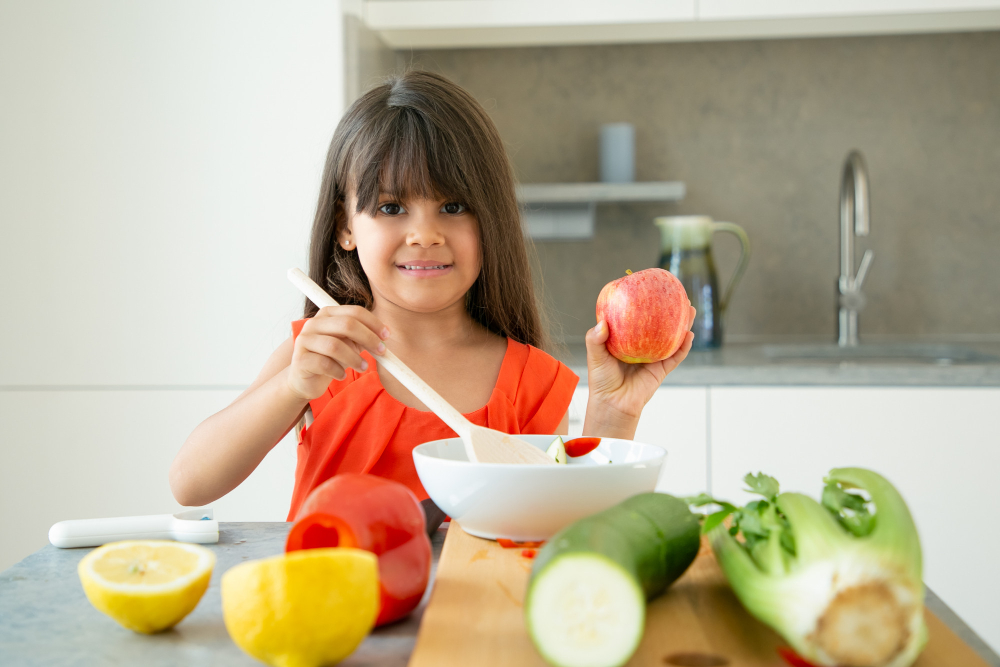
A healthy diet plays a vital role in a child’s growth and development. For children with kidney-related conditions, proper nutrition becomes even more important. The kidneys help remove waste, balance fluids, and regulate important minerals in the body. When kidney function is affected, dietary changes can help support overall health and reduce stress on the kidneys. Consulting a Child Kidney Doctor in Surat can help parents understand the specific nutritional needs of their child and create a suitable diet plan.
Why Is a Kidney-Friendly Diet Important?
Children with kidney disorders often need special attention to their diet. The right foods can help manage symptoms, support growth, and improve quality of life. A balanced kidney-friendly diet can also help prevent complications and promote better kidney function.
A Child Nephrologist in Surat may recommend dietary adjustments based on the child’s age, kidney condition, and overall health.
Focus on Fresh Fruits and Vegetables
Fresh fruits and vegetables are rich in vitamins, minerals, and antioxidants that support overall health. However, some children with kidney problems may need to limit certain fruits and vegetables that are high in potassium.
Kidney-friendly options may include:
- Apples
- Pears
- Grapes
- Cabbage
- Cauliflower
- Cucumbers
Parents should always follow dietary guidance provided by their healthcare provider.
Choose Healthy Sources of Protein
Protein is essential for growth and tissue repair, but excessive protein can sometimes put extra strain on the kidneys. The amount of protein a child needs depends on their specific kidney condition.
Healthy protein sources include:
- Eggs
- Fish
- Lean chicken
- Paneer (in moderation)
- Lentils and beans
A Child Kidney Doctor in Surat can recommend the appropriate protein intake based on your child’s individual needs.
Limit Excess Salt Intake
Too much salt can lead to high blood pressure and fluid retention, which may affect kidney health.
Parents can reduce sodium intake by:
- Avoiding packaged snacks
- Limiting fast food
- Using herbs and spices instead of extra salt
- Checking food labels carefully
Encouraging home-cooked meals can help control sodium consumption and promote healthier eating habits.
Encourage Proper Hydration
Water is important for maintaining kidney health. Proper hydration helps the kidneys remove waste from the body efficiently.
However, some children with certain kidney conditions may require fluid restrictions. It is important to follow recommendations from a Child Nephrologist in Surat regarding daily fluid intake.
Monitor Potassium and Phosphorus
Some kidney conditions affect the body’s ability to balance potassium and phosphorus levels. High levels of these minerals can cause complications if not managed properly.
Foods that may need monitoring include:
Potassium-Rich Foods
- Bananas
- Oranges
- Potatoes
- Tomatoes
Phosphorus-Rich Foods
- Soft drinks
- Processed foods
- Cheese
- Chocolate
Your child’s healthcare provider can advise whether these foods need to be limited.
Maintain a Balanced Diet
Children need proper nutrition to support healthy growth. Instead of focusing on restrictions alone, parents should aim for a balanced meal plan that includes:
- Whole grains
- Fresh vegetables
- Appropriate fruits
- Lean proteins
- Healthy fats
Balanced nutrition helps children maintain energy levels and supports overall development.
Avoid Sugary and Processed Foods
Highly processed foods often contain excessive salt, sugar, and unhealthy additives. Frequent consumption may negatively impact overall health.
Healthier alternatives include:
- Fresh fruit snacks
- Homemade meals
- Yogurt
- Nuts (if recommended)
- Whole-grain options
Teaching healthy eating habits early can benefit children throughout their lives.
Work with a Pediatric Kidney Specialist
Every child is unique, and dietary needs vary depending on the type and severity of kidney disease. A personalized nutrition plan is often the most effective approach.
Regular consultations with a Child Kidney Doctor in Surat allow parents to monitor their child’s kidney health and make necessary dietary adjustments as they grow.
Conclusion
A kidney-friendly diet can make a significant difference in the health and well-being of children with kidney-related conditions. Focusing on balanced nutrition, proper hydration, controlled salt intake, and healthy food choices can help support kidney function and overall growth. Parents should work closely with a Child Nephrologist in Surat to ensure their child receives the right dietary guidance based on their specific needs. With proper care and nutrition, children can enjoy healthier and more active lives.
FAQs
1. What foods are good for children with kidney problems?
Fresh fruits, vegetables, whole grains, and appropriate protein sources are generally recommended. Dietary needs may vary depending on the child’s condition.
2. Should children with kidney disease drink more water?
Not always. Some kidney conditions require controlled fluid intake. It is best to follow advice from a Child Kidney Doctor in Surat.
3. Why is reducing salt important for kidney health?
Excess salt can increase blood pressure and cause fluid retention, which may place additional stress on the kidneys.