
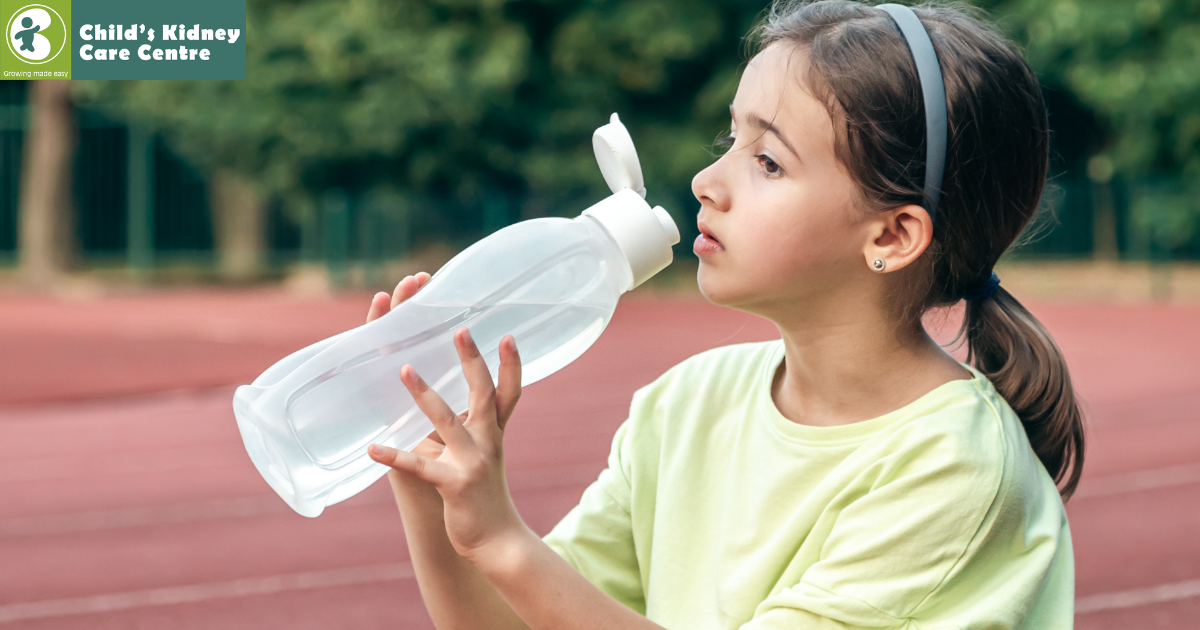

Keeping children properly hydrated is one of the most important aspects of their overall health and development.. Staying hydrated helps to keep their body temperature normal, support how well the kidneys function, help with digestion and help babies grow.
According To a Pediatric Nephrologist In Surat, children usually have different hydration needs compared to adults. Children’s bodies will lose more fluids than adults and children will not always recognize or communicate that they are thirsty. To ensure that their children are getting enough fluid for the entire day, parents must be proactive.
Why Hydration Matters for Kids?
Water is vital for almost every aspect of a child’s body while also helping with nutrient transportation, waste removal, and maintaining optimal body temperature. If kidneys do not have enough fluid, they will be unable to filter harmful substances effectively; this is why staying hydrated is so important for children healthy kidneys.
Pediatric Nephrologists in Surat routinely stress that dehydration can cause issues such as urinary tract infections (UTIs), kidney stones, and possibly even future kidney issues if not addressed quickly. Staying hydrated is an easy but very effective method to prevent these types of complications.
Signs Your Child May Be Dehydrated:
Your child may not tell you when they are thirsty; therefore, look for signs of dehydration. Some possible indicators may be:
- Dry mouth & lips
- Dark Yellow Urine
- Less Urination
- Fatigue/Irritability
- Dizziness & headache
If you witness any of these indicators, encourage your child to drink more fluids right away. If you find that your child is routinely experiencing dehydration or if it becomes significant, you should see a Pediatric Nephrologist in Surat.
Table of Contents
- Introduction: Importance of Hydration in Kids
- Why Hydration Matters for Children’s Health
- Signs Your Child May Be Dehydrated
- Daily Water Intake for Kids
- Smart Hydration Tips for Parents
- Hydration During Illness
- Role of Parents in Building Healthy Habits
- When to Consult a Pediatric Nephrologist in Surat
- Conclusion & Key Takeaways
How Much Water Do Kids Need?
A child’s hydration requirements are influenced by several factors, such as age, activity level, and climate. Typically, children will need the following amounts of water per day based on their age:
- Toddlers (1-3 years old): 1-1.3 L/day
- Children (4-8 years old): 1.3-1.7 L/day
- Older Kids (9 years and older): 1.7-2.4 L/day
In high-temperature areas (such as Surat), children will likely require an increased amount of fluids (including water). A Pediatric Nephrologist in Surat recommends a child should drink more water during summer or while participating in outdoor activities.
Smart Hydration Tips for Parents:
Getting children adequately hydrated is easy when utilizing these quick strategies.
1. Make Water Exciting
Water becomes exciting when children find excitement in drinking it. Consider using fun-colored bottles, using silly straws or adding natural flavors to water (i.e. lemon, mint, or slices of fruit) to entice your child’s interest.
2. Set a Routine
Have your child drink water periodically throughout the day i.e., immediately after waking up, before school, during playtime, and prior to going to bed.
3. Include Water-Rich Foods
Foods such as watermelon, cucumber, oranges, and strawberries contain a high amount of water and can encourage children to naturally hydrate themselves.
4. Reduce Consumption of Sugar Drinks
Soft drinks and packaged juice products may discourage the consumption of water by causing dehydration and may damage kidney health. To prevent this from taking place, a Pediatric Nephrologist in Surat recommends reducing the consumption of sweetened beverages.
5. Hydrate Before, During, and After Activity
Encourage your child to drink lots of water before and during sports or playtime. Consider offering your child small amounts of water to keep them hydrated throughout the day. You may also want to provide oral rehydration solutions if needed. Finally, try to limit sugary drinks and caffeine.
Hydration During Illness
When your child is sick with fever, vomiting, or diarrhea, they will lose liquids very fast. They will need to drink lots of fluids for the next several days. Follow these guidelines for keeping your child hydrated when they are sick:
- Offer them frequent small amounts; they won’t be able to drink very big cups at a time.
- Give them oral rehydration solutions if their doctor or pediatric nephrologist recommends it.
- Avoid using soda or other caffeine-containing beverages.
Role of Parents in Building Healthy Habits:
Make sure you, your spouse, and other caregivers are drinking enough water to help your children develop a healthy habit of drinking water. When kids see their parents drink water; they will most likely adopt similar behaviors.
Another way parents can help promote healthy habits is by educating their children about the benefits of drinking water and how it affects their long-term health. If children understand why they need to drink lots of water and can relate to the benefit of doing so, they are more likely to stay with this healthy habit than if they did not receive such information.
When to Seek Medical Help for Dehydration
If your child is mildly dehydrated, you may be able to treat them at home; however, some situations will require a medical professional’s guidance to help keep your child hydrated.
When to Consult a Specialist:
- Continuous vomiting and/or diarrhea that does not improve
- Low urine output
- Severe tiredness or confusion
- Frequent urinary tract infections
Consulting a pediatric nephrologist in Surat is vital for your child’s kidney health and well-being in these situations.
Conclusion:
Hydration is more than just providing water for your children; it is about establishing healthy habits that last a lifetime. Parents can also work with a child nephrologist in Surat to support their children in staying adequately hydrated and avoiding kidney related concerns.